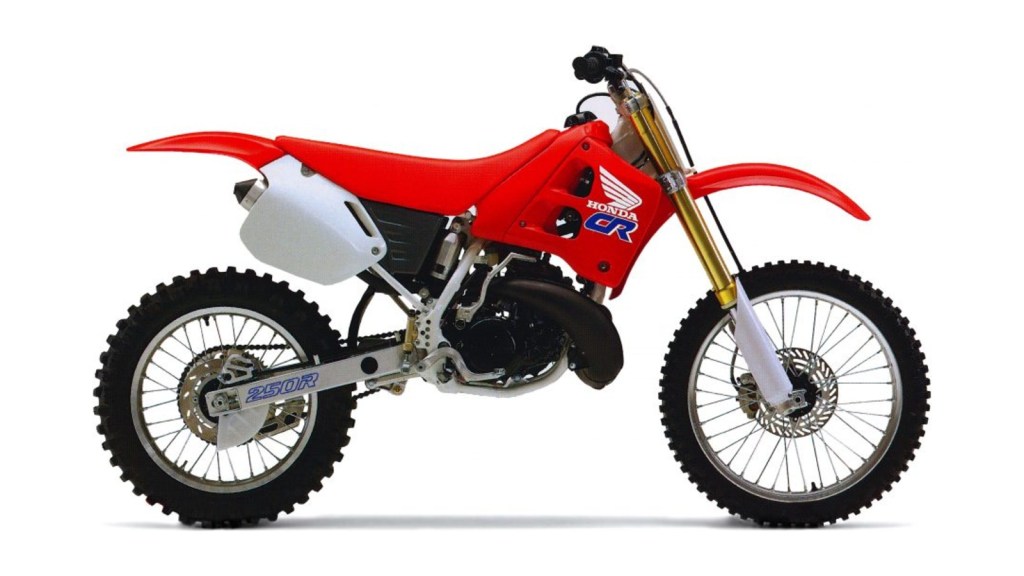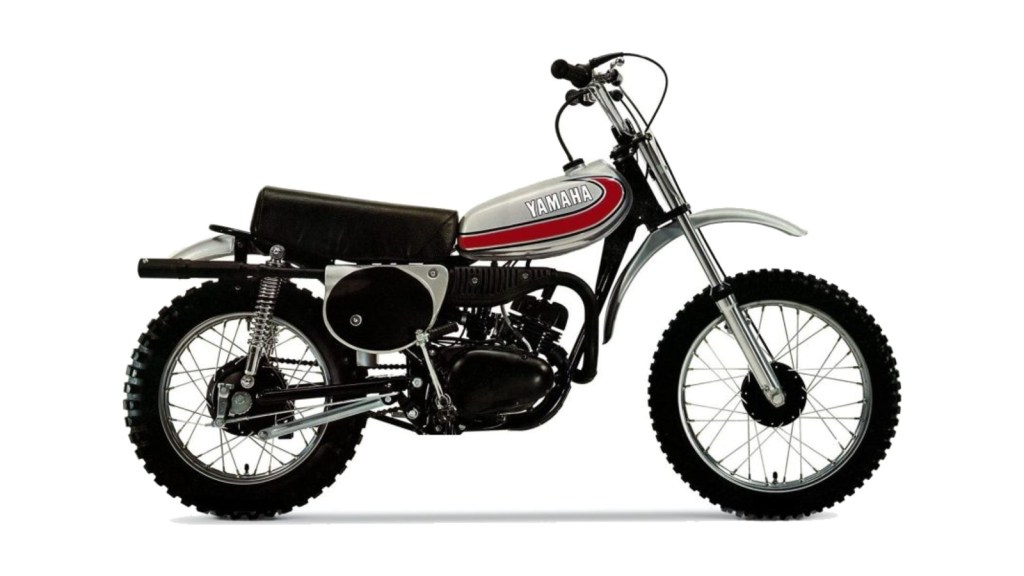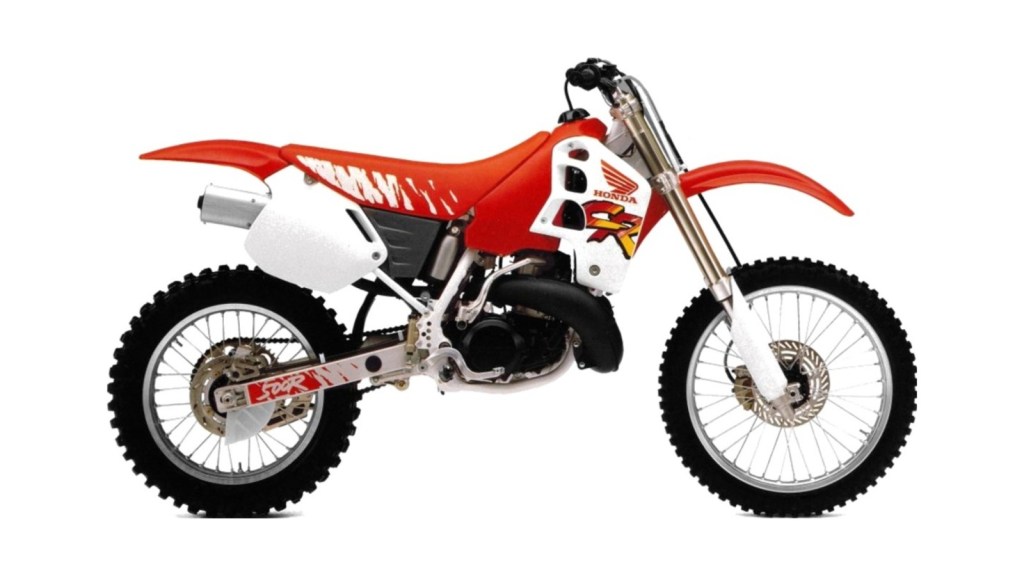
A look back at a classic machine that started a new era.
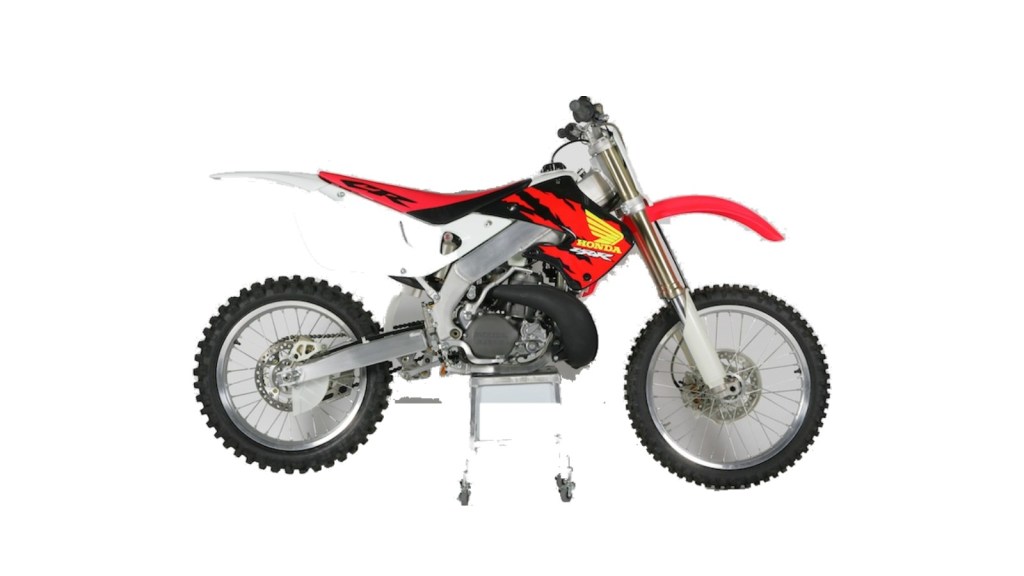
For this week’s GP’s Classic Steel we are going to look back at the machine that started the aluminum revolution, the 1997 Honda CR250R.
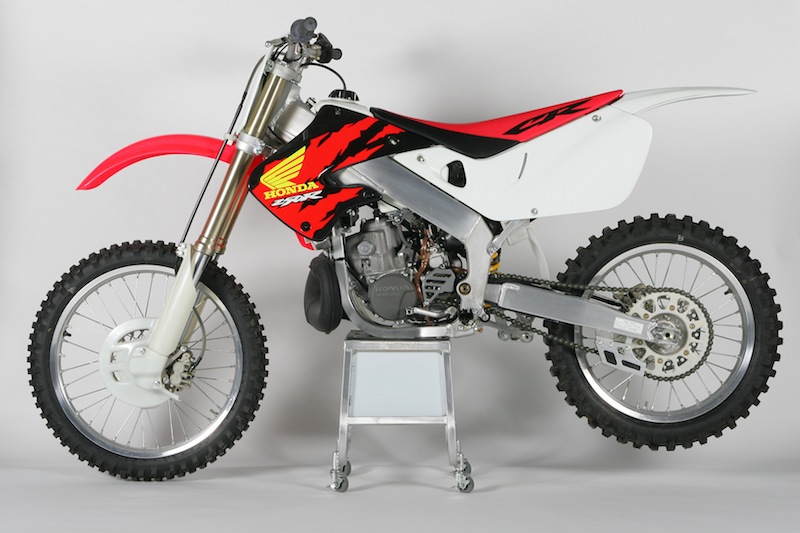
In 1996, Honda once again shocked the motocross world with the announcement of their revolutionary new CR250R motocrosser. The hype machine was kicked into full gear, as it was confirmed that new bike would indeed feature a full aluminum chassis. A staple for more than a decade on road racing machines, an aluminum chassis had never been tried on a production motocross machine up to that point. Honda’s new 1997 CR250R would be boldly going where no other production machine had gone before.
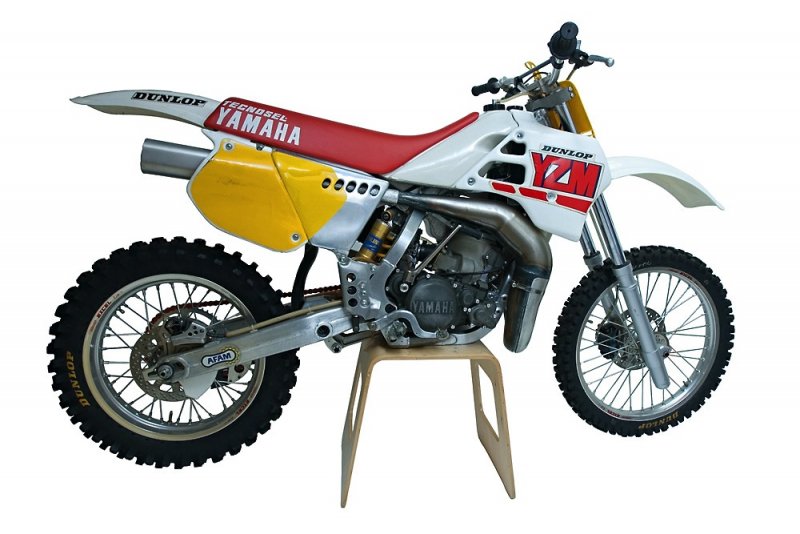
While exotic alloys had never made their way onto production motocross frames, the Japanese and others had been experimenting with them for decades. As far back as the sixties, brands like Husqvarna had utilized super lightweight titanium frames on their works machines. While they proved too brittle and expensive for production, they pointed to a future where exotic lightweight materials could be used on off-road machines. In the eighties, Yamaha took up the torch of alloy experimentation with their incredibly trick YZM500. The YZM was a rolling work of art with its all aluminum chassis and monocoque rear subframe. Like the Husky, the YZM never lead to a production equivalent, but undeterred, the Big Four continued to flirt with aluminum framed works bikes throughout the early nineties.
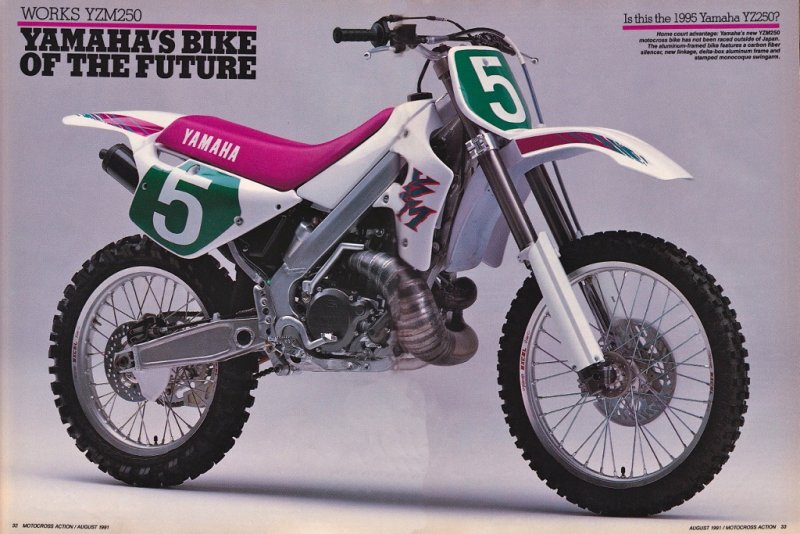
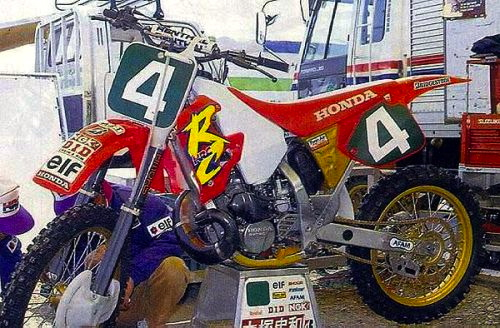
While never raced here in America do to our production rule, every year in Japan, a parade of ultra-exotic alloy chassis works machines would be on display in the Japanese MX Nationals. The designs varied greatly, from traditional single backboned cradles, to odd perimeter variations and road race inspired twin spars. Nearly every possible combination was experimented with in the search for the proper mix of flexibility and durability. Then in 1995, word began to leak out from Japan that Honda was indeed moving toward the production of an aluminum-framed motocrosser. Early spy shots reveled a huge road race style frame and super sleek bodywork. The bike looked like something from ten years into the future, with its massive frame spars and super long side plates. If the production machine turned out to look anything like the works version, it would just have to be the baddest machine ever to set wheels to dirt.
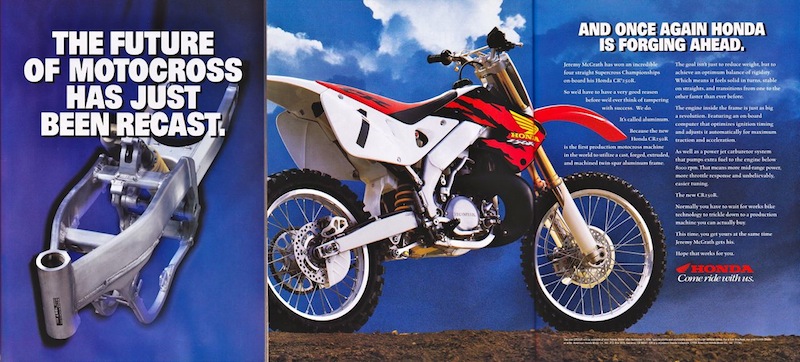
Based on looks alone, the new Honda had the entire industry worked into a froth in the summer of 1996. Early reports from magazines sang the bike’s praises as an all-new breed of CR. Deposits poured into dealerships, as riders hotly anticipated the arrival of the most radical new CR250R since the 1981 Elsinore introduced a monoshock and liquid cooling to the Honda lineup. Well, a funny thing happened on the way to the Motorcycle Hall of Fame- the can’t miss new CR turned out to be a greatly flawed machine.
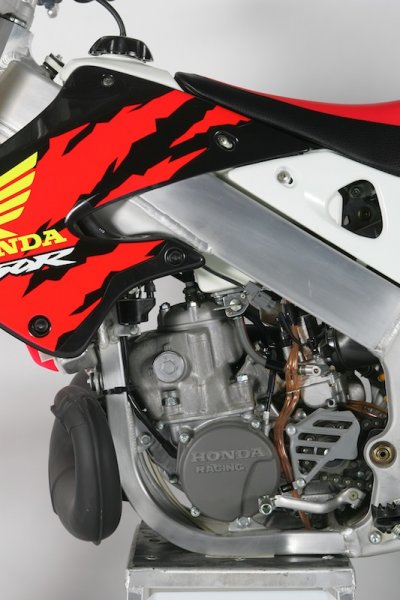
Early on in prototype testing the new chassis had shown a great deal of promise. Reportedly, the new bike was faster and better handling than the steel framed bikes Honda was using for comparison. Then testers started suffering failures. Aluminum can be tricky to work with under the best of conditions, and this was largely uncharted territory for Honda’s engineers. When you add in the unique stresses put on a motocross bike’s frame, you can see the opportunity for problems.
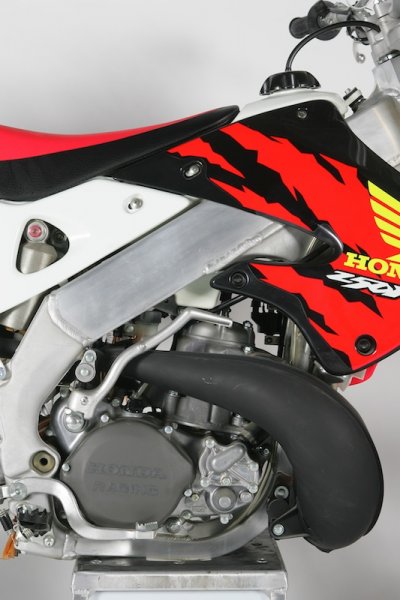
A motocross bike’s frame is an incredibly complex piece of engineering. A frame needs to be stiff enough to absorb the major shocks of massive jump landings and high-speed impacts, while also having enough flex to provide good feedback and feel to the rider. Steel frames are excellent at the feel end of the equation, while alloys are excellent at fighting flex. The trick is to fine-tune the shape and thickness of the tubes to allow the best combination of both. By all accounts Honda was on the right track early on with the ’97 CR’s chassis, but once they started breaking, Honda started pilling on the metal. By the time the CR made production, that sweet handling chassis was a distant memory.
In 1996 the MX press could not wait to get their hands on the all-new machine. Early tests sugarcoated the bike somewhat, calling its ridiculously ridged chassis “pro oriented” and awesome for Supercross. In reality, the Honda was an overbuilt beast that transmitted every pebble on the track directly to the rider’s hands. Honda made certain the alloy frame was not going to break, but they ruined the rest of the bike in the process. The beefy frame acted like a big tuning fork, funneling every ounce of vibration from the motor right up through the CR’s handlebars. On hardpack soil the CR was unsettled and never felt firmly planted to the track. In deep loam, the bike performed better and felt more at home. Turning was typical mid-nineties Honda, sharp in the tight sections and nervous at speed. In addition to being unforgiving, the harsh frame gave the bike a “dead” feel in the bumps. Instead of floating over obstacles, the “97 CR250R “thudded” through them. The CR’s chassis may have looked high tech, but its performance was strictly mid-evil in ’97.
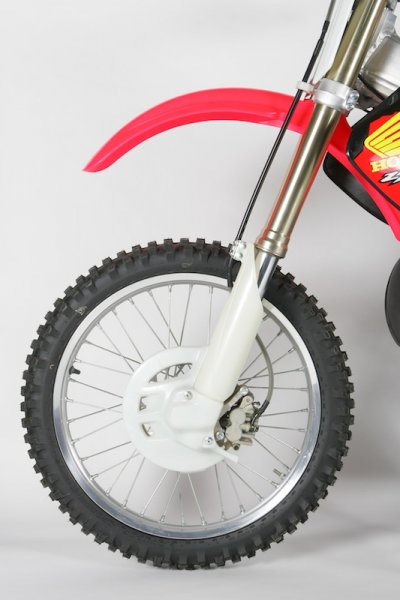
Certainly not helping the CR’s brutal chassis was its questionable suspension. For ’97 Honda switched back to Showa components, after 2 years using Kayaba’s on their deuce-and-a-half. The new 47mm forks featured Showa’s twin-chamber internals first debuted on the 1994 Suzuki RM250. While the twin-chambers were awesome performers on the Suzuki, Honda once again found a way to deliver a set of crappy forks to the masses. The stock Showa’s were undersprung out of the crate and poorly set up. They hung down in the stroke and gave the bike a stinkbug stance on the track. If you upgraded the springs, the ride could be leveled out, but the performance remained harsh on anything smaller than a Supercross whoops. When you combined the punishing forks with the rigid chassis, you had a recipe for premature arm pump and very sore hands.
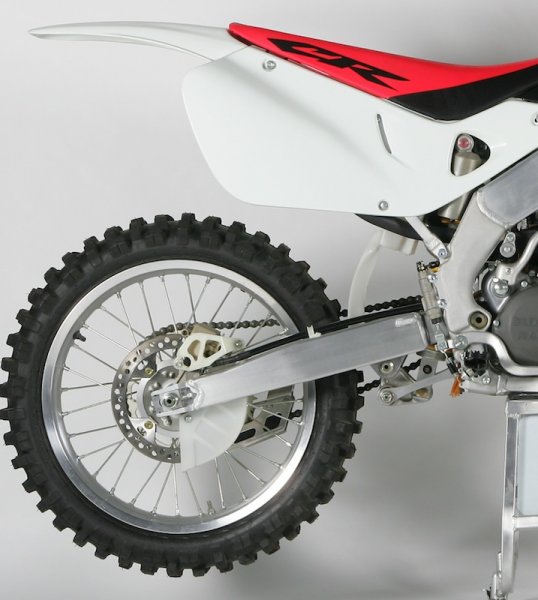
Much like their forks, Honda had struggled with their shocks throughout most of the nineties. Typically they were better in performance than the gruesome forks, but far from good. For ’97, Showa added both high and low speed adjustments to their shock for the first time. This addeda layer of adjustabilitythat probably confused more riders than it helped, but for pros that could use it was a welcome addition. Performance wise, the Showa shock was much better at big hits than small chop. On tracks with big whoops and deep dirt it worked pretty well. On hardpack surfaces and on small sharp impacts like braking bumps, the shock tended to deflect and ricochet all over the track. If you could get something to hook up to, the shock was passible, if the track was slippery and choppy, you were in for quite a wild ride.
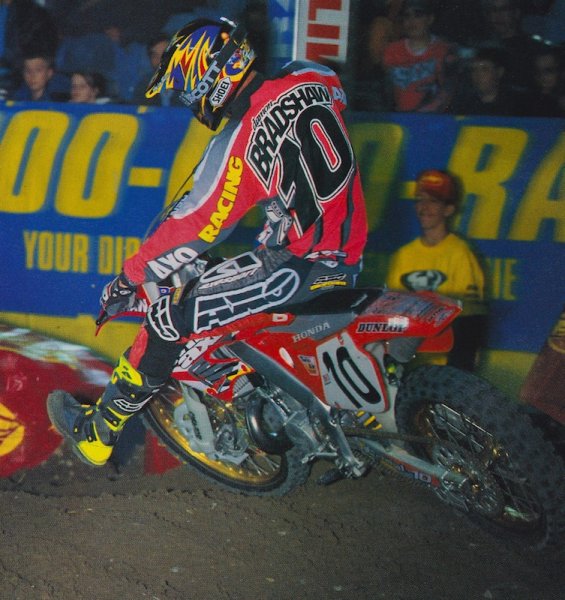
While Honda struggled mightily with suspension performance throughout the nineties, the one think they had dialed was motor performance. Starting in 1986, Honda pretty much had the motor category on lockdown. Year in and year out, nothing was as fast as a Honda CR250R. For ’97, Honda made a lot of changes to their tried and true mill. They lowered the deck height, went to a flat-top piston, reshaped the HPP valve and bolted on an all-new exhaust pipe. In addition to the internal motor modifications, Honda added a revised ignition (featuring an early version of traction control) and an all-new “powerjet” carb. The powerjet was big news for ’97 and it promised to fill in the dead spots in the CR’s powerband by delivering extra fuel at just the precise moment based on engine RPM and load.
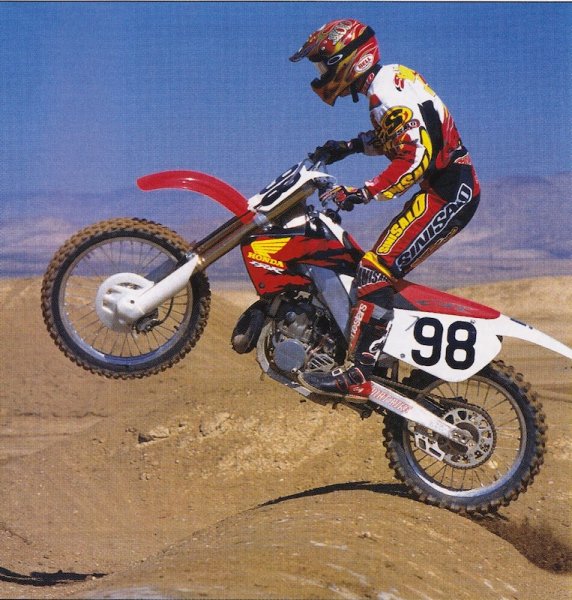
All the changes added up to another Honda rocketship for ’97. The new CR250R lacked some of the low-end torque of its predecessors, but gave up nothing from mid-range on up. After you pulled past the lethargic bottom end, the CR lit the afterburners with a meaty mid-range blast and quasar top-end pull. With its soft low-end and hard-hitting mid-range, the CR could be a handful on slippery tracks, but if there was traction, nothing could run with the Honda 250. Top-end power in particular was unchallenged in ’97, as the CR pulled harder and farther than any other quarter liter machine. Some riders preferred the ’93-’96 CR’s wider power spread, but no one could deny it was fast. The ’97 CR250R was not mellow or easy-to-ride, but it would show any other bike its rear fender in the race to the first turn.
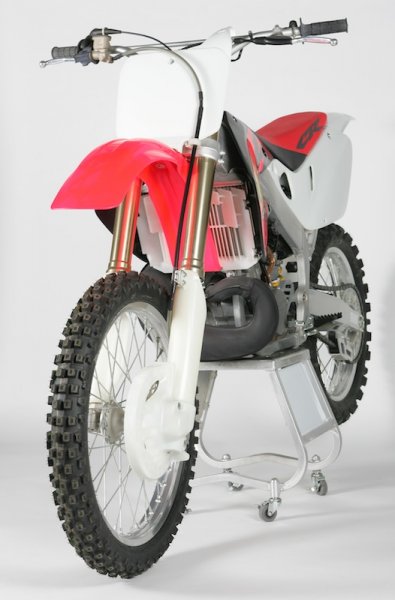
As with any Honda built since the early eighties, build quality was excellent. All the parts fit perfectly and nothingfell off unexpectedly. Early durability concerns about the aluminum frame proved unfounded as well, as the new chassis proved even more durable that the old steel frame had been. Brakes were also a high point, as the Honda’s Nissin binders proved both the most powerful and least in need of maintenance. One area that was a point of contention was the new CR’s sleek new seat. At this point we were just transitioning to the super hard, low profile seats common today and many riders lamented the loss of the older thick seat’s bump isolation. Certainly this only compounded the CR’s general feel of harshness and added to its unforgiving nature.
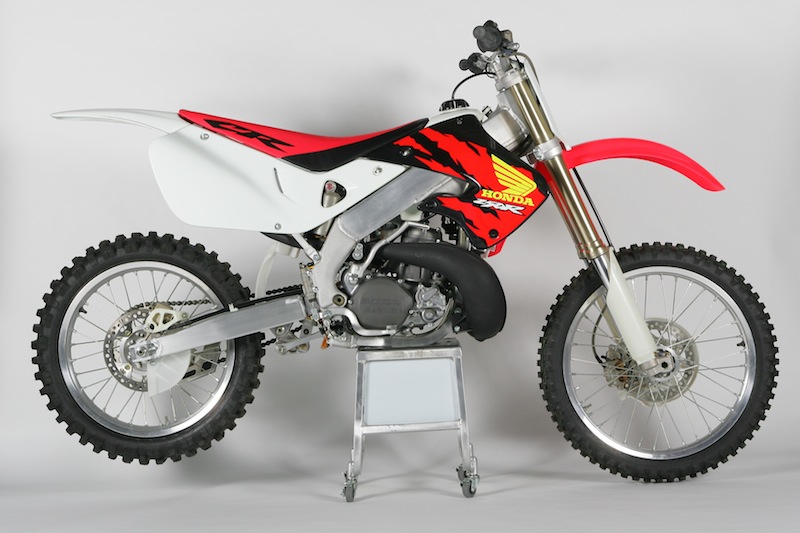
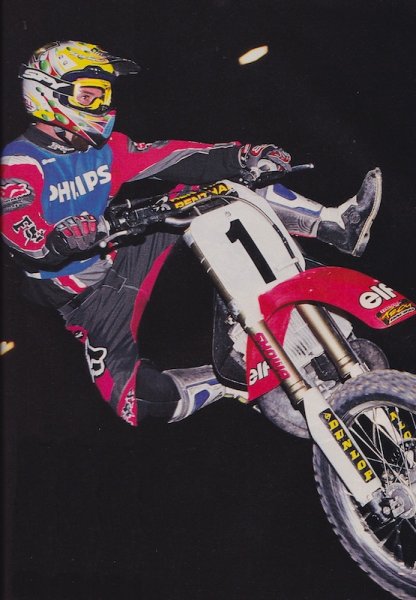
The 1997 Honda CR250R is an interesting machine. It was an incredible sales success, based mostly on its radical good looks and promise of game changing technology. While there is no denying its significance to the history of motorcycle design, the cold hard truth is it was not a very good bike. It was controversial enough to cause the King of SX to walk away from a lucrative long term contract, but also influential enough to steer motocross design for more than a decade. When you look at the machines from any of the Big Four Japanese manufacturers today, it is hard to see the DNA of the 97 CR250R in there somewhere. Honda was first to take the plunge, and they suffered wounds that come with operating on the bleeding edge of design. Even so, they persevered, and within a few years they were building some of the best handling bikes on the track. The 1997 Honda CR250R may not have lived up to all the hype, but damn, it was one badass looking machine.
This story first ran in my Classic Steel column on PulpMX. Read the original at PulpMX.com.