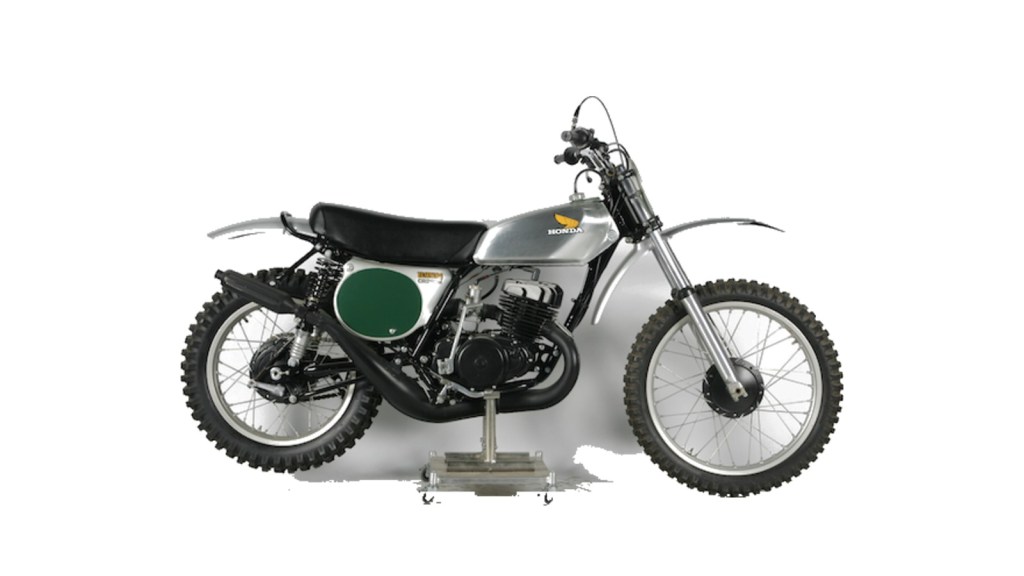
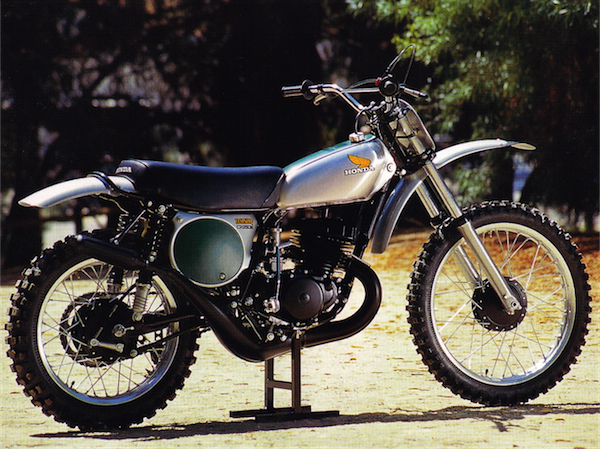
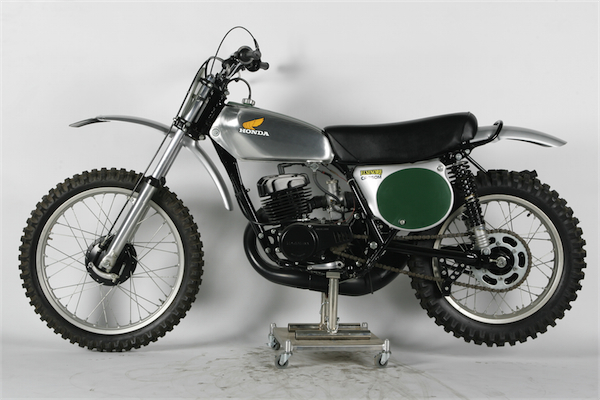
For this week’s GP’s Classic Steel, we are going to take a look back at the story of the machine that kickstarted the Japanese motocross revolution, the 1973 Honda CR250M Elsinore.
In 1972, the Motocross landscape was very different than it is today. At that time, most riders rode machines from Germany, Sweden or Czechoslovakia. Motocross had started in Europe, and the Old World powers still owned the lion’s share of the market. Maico’s, Husky’s and CZ’s were the mount of choice for riders who took things seriously. In 1972, the Japanese were little more than a sideshow curiosity.
Although Japanese upstart Suzuki had enjoyed a great deal of success at the Factory racing level (winning several World Motocross titles in the early seventies), very little of that Japanese technology had made its way back to the showrooms. In advertisements, Suzuki billed their TM’s as near replicas of the championship winning works machines of Joel Robert and Roger DeCoster, while in actuality; they were nothing of the kind. In these early days of Japanese involvement in the sport, it was with good reason that savvy consumers stayed away from the Nipponese machines. By any measure, Japanese bikes from this era were just not very good and in some cases, downright terrible. Bikes like the Yamaha SC500, Suzuki TM400 Cyclone and Kawasaki 350 Bighorn (a machine Dirt Bike famously coined, the “Pig Horn”) live on to this day as icons of early Japanese futility. In 1972, if you rode a Japanese, it meant you were cheap, stupid, or most likely, both.
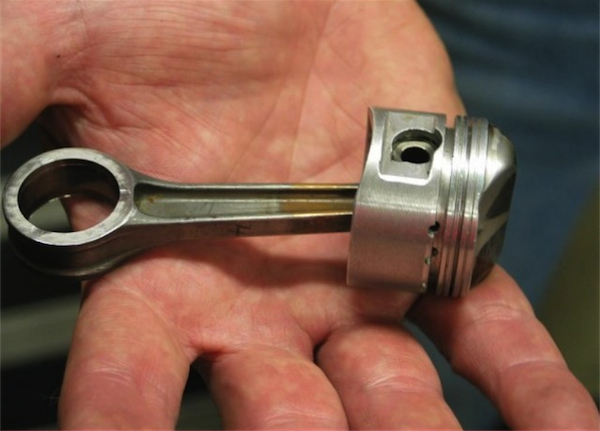
In the spring of 1972, all that changed with the introduction of one machine – the Honda CR250M Elsinore. The Elsinore was a revolution at the time and Honda’s first production two-stroke. Prior to ’72, Honda had focused its production solely on four-stroke motorcycles. They had built a huge international following producing inexpensive, reliable and fun street and off-road motorcycles. Honda had become the “anti-Harley” and the slogan “You meet the nicest people on a Honda” was more than just so much Madison Avenue nonsense. People who would not want to get within 1000 feet of a big chopper, were more than willing to swing a leg over a Honda Dream or Mini Trail 70. Hondas were quiet, Hondas were cute, and Hondas most certainly did not belch out any of that nasty, smelly, blue smoke from the the tail pipe. In fact, Honda Motor Corp. was so against the two–stroke motor, that the company’s President Soichiro Honda once famously proclaimed, “Honda will never build a two-stroke motorcycle!” At Honda, the two-stroke was persona non grata.
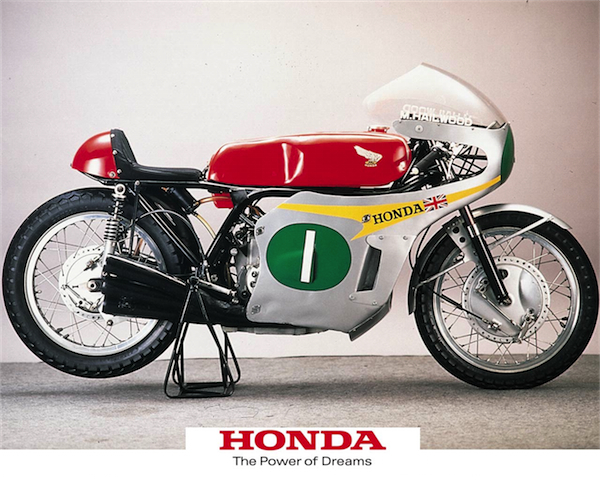
In the late fifties, Honda had become seriously involved in GP road racing, but had stuck to their guns by only building four-stroke race bikes. In spite of being valve and cam machines, they had been some of the most advanced bikes of the era. Incredible exotica like their 19,000-rpm, six-cylinder 250cc RC166 road racer showed the World the manufacturer’s incredible engineering know-how and capacity for innovation. Racing was a passion at Honda, and Soichiro spared no expense in recruiting the best engineers from every corners of the globe to help propel Honda to the top. After reaching their goals in road racing, Honda pulled out of the Grand Prix’s in 1967, at precisely the same time a new sport was taking hold in the land of the rising sun.
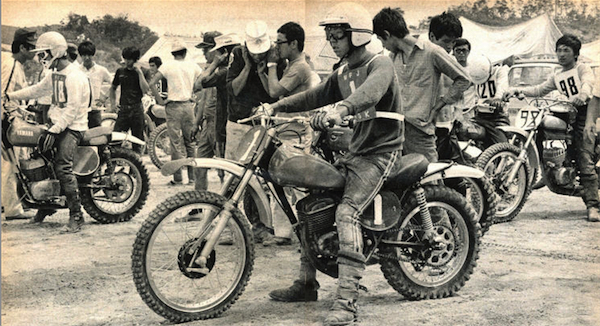
While Motocross (originally known as scrambles) races had been taking place for nearly half a century by the sixties, the sport had not really taken off outside of Europe. Then in the mid-sixties, motocross began to extend its reach. Countries like America and Japan began to take notice and by 1967, Japan was holding its first official motocross series, the “All Japan Motocross Championship”. While Suzuki was fast to jump into the new sport with both feet, Honda at first resisted the temptation to join its competitors in the rough and tumble world of motocross. After all, Honda built bikes for nice people, not dirty old motocross racers. With Honda Motors Corp. officially ignoring the emerging sport of motocross in Japan, a small group of engineers within their R&D department took it upon themselves to begin work on a project to explore the possibility of racing one of their four-stroke machines in the Japanese Motocross Nationals.
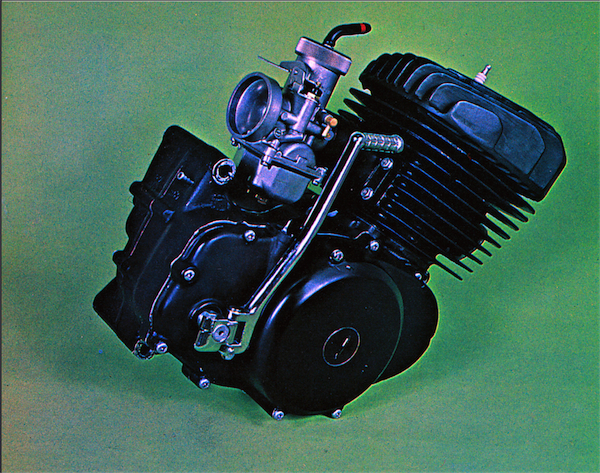
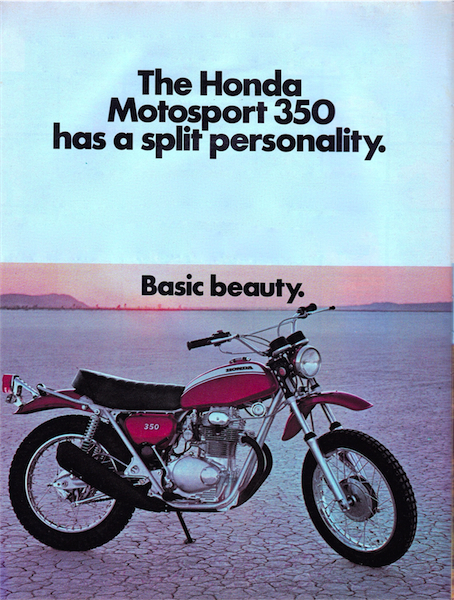
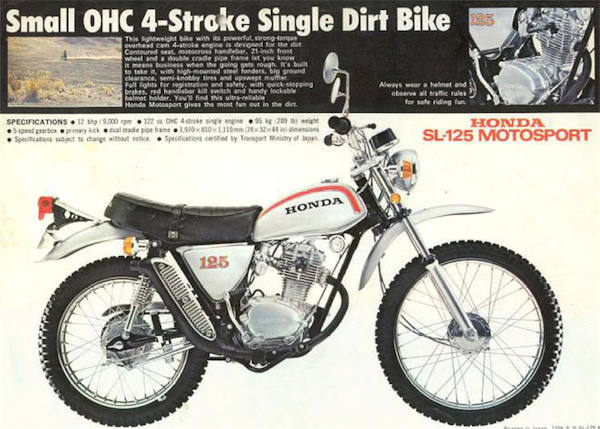
This group, which called itself “The Association to Study the Motorcycle”, was not an official arm of Honda’s R&D operation and worked on the motocross program on their own time. Very much like the origins of the first YZ400F four-stroke three decades later, the first CR250 would come from the dreams of a few bright engineers working in their spare time. Since Mr. Honda’s dislike of the two-stroke was well known throughout the company, the team decided to focus their early efforts on attempting to turn one of Honda’s SL125 four-stroke play bikes into a racer.
In May of 1969, the team would enter their highly modified SL125 into its first motocross race, at the Fukuoka round of the Japanese Motocross Nationals. From the start, it was plainly evident that their highly stressed thumper was not going to be competitive with the much lighter and faster two-stroke race bikes. While the bike finished the race (no mean feat at the time), it was made acutely clear that some rethinking of their plan was in order. In the eyes of the engineers, Mr. Honda’s refusal even to look at the possibility of building a two-stroke was very likely going to leave them at a severe competitive disadvantage going forward.
While this initial racing effort may have ended in failure, the information gained would turn out to be vital to Honda’s future. The struggles of the team would bring light to the fact that Honda needed to at least consider developing a two-stroke motor going forward. In early 1971, The Association to Study the Motorcycle would receive approval from Honda’s R&D department to begin developing an all-new two-stroke power plant (code named “335”) to be fitted into the chassis of Honda’s new SL250 four-stroke. The resulting SL250-T was planned to be Honda’s first attempt at a two-stroke machine, but after the four-stroke SL250 turned out to be a huge success on its own, the two-stroke program got back-burnered by corporate once again. With Honda shutting down the program, the future of a two-stroke Honda was very much in doubt.
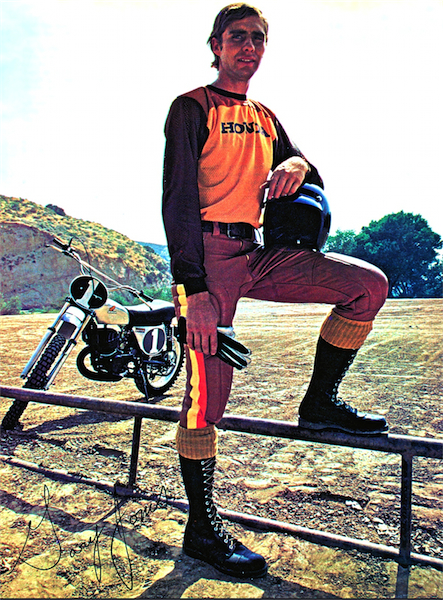
Even though the SL250-T program was officially shut down, some of Honda’s engineers continued to work on developing a new two-stroke racing motor. Before mothballing the initiative, Honda had procured a few competitors to use for reference and the team dissected them in an attempt to discover their secrets. Using a Husqvarna as a baseline, the team went to work putting together a prototype. The first machine, codenamed 335A, used a chassis based on the Husky and various parts cobbled together from other machines (even infamously using a Yamaha DT-1 tank). The second attempt, codenamed 335B was much less cobby, and closer to something that might actually get produced. After some initial testing, Honda’s two-stroke skunk works team decided it was time to try out their creation in real competition.
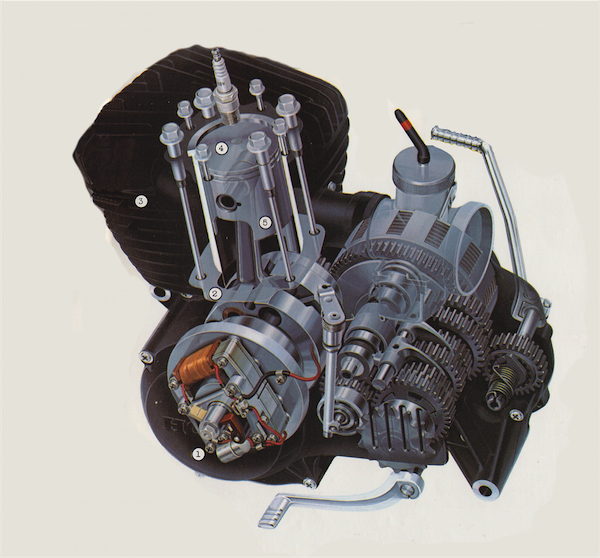
On August 22, 1971, the 335B made its racing debut in the All Japan Motocross Championships (AJMC). Since this was not an “official” Honda effort, the team had wanted to keep the project as low-key as possible, but the press was quick to catch on. Although the bike did not finish the event due to suspension issues, the motor performed admirably and the bike generated a lot of interest. The Japanese enthusiast press was quick to jump on the fact that Honda was apparently going back on their claim to not build a two-stroke. Once the 335B prototype made the Japanese motorcycle magazines, a huge amount of attention was focused on the Associations’ little pet project. With the cat out of the bag, the time had come for Honda to make a decision about the future of their two-stroke program.
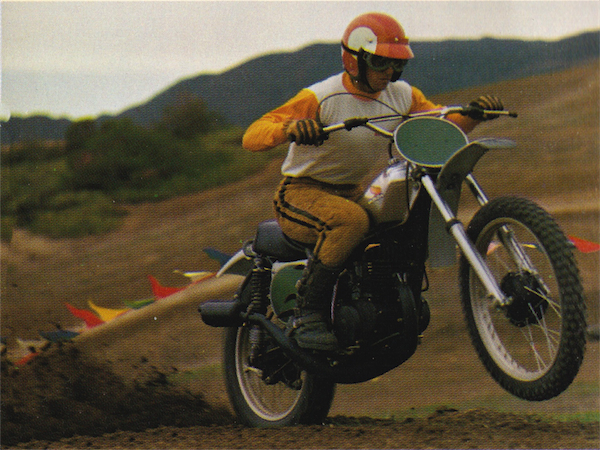
In the fall of ’71, The Association to Study the Motorcycle made a proposal to Mr. Honda himself on the merits of going forward with the two-stroke project. After hearing the proposal, Mr. Honda agreed to green light the project and promised to put the full might of Honda Motors behind the effort. After the meeting, Mr. Honda stated that if Honda was going to build a two-stroke, “it had better be the best two-stroke in the world”.
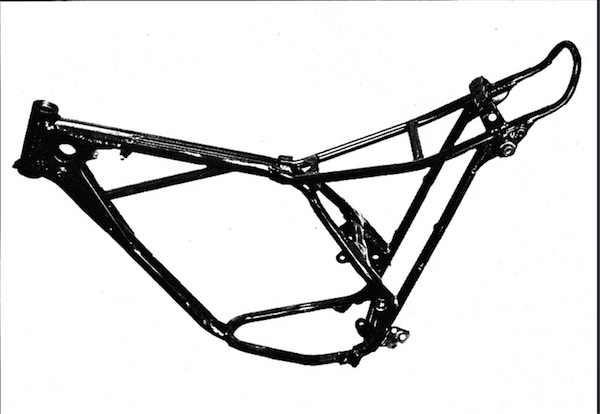
Now an official Honda project, the bike’s codename was changed to 335C and fast tracked for development. The same engineers that had developed Honda’s incredible road race machines in the sixties would now be tasked with creating the world’s best two-stroke 250. In November of 1971, Honda began recruiting riders to race and develop the new bike. In March of 1972, the first official works Honda two-stroke motocross bike made its debut at the first Japanese National of the year. Now officially referred to as the RC250M, the bike would suffer from some overheating and reliability issues, but finish sixth overall.
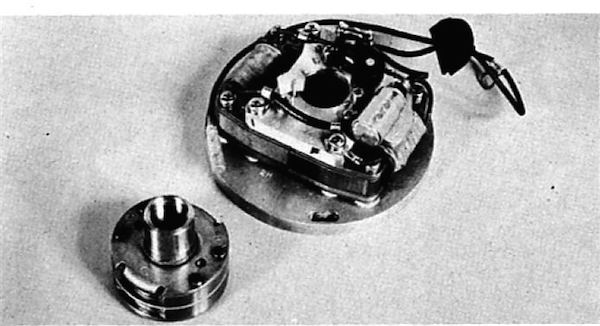
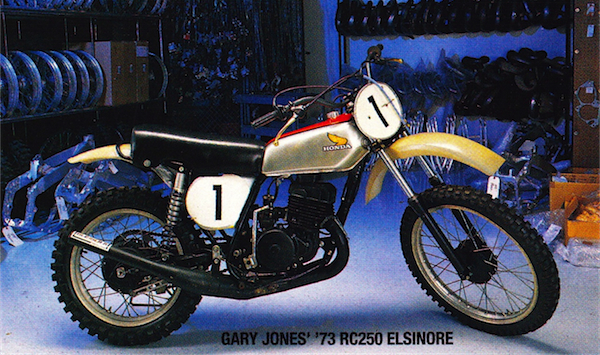
After the troubles at their first outing, Honda’s engineers quickly went back to work sorting out the RC250M. The road race engineers had no experience with motocross and quickly found the two disciplines to be very different. Thankfully for Honda, however, these were some of the smartest engineers the world had to offer and Suzuki had already done a lot of the trailblazing for them some years earlier.
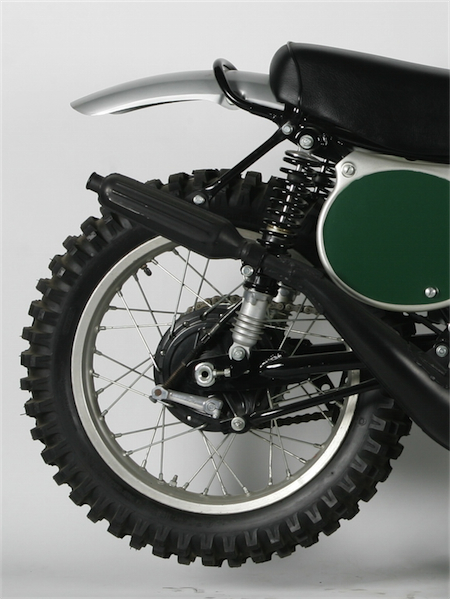
After three months of further development, the team decided to enter the bike in the Kannabe round of the AJMC in June. This would be the sixth round of the series and Mr. Honda himself would be in attendance, adding a lot of pressure for the team to show well. Amazingly, the bike would not only impress, it would win! With Honda factory rider Taichi Yoshimura (yes, the guy behind the RS-Taichi gear worn buy JMB and Jeff Mataisevich in 1992) at the controls, the bikes would holeshot both motos and take the overall with a 2-1 moto score. A mere eight months after getting the green light from Mr. Honda, the RC250M would sit at the top of the victory podium.
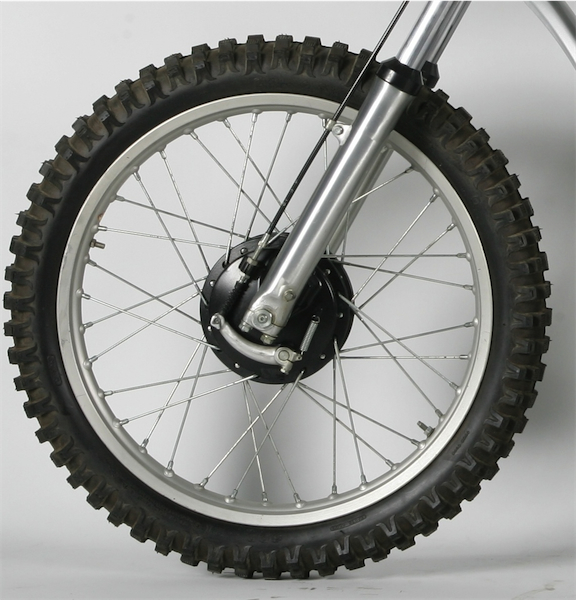
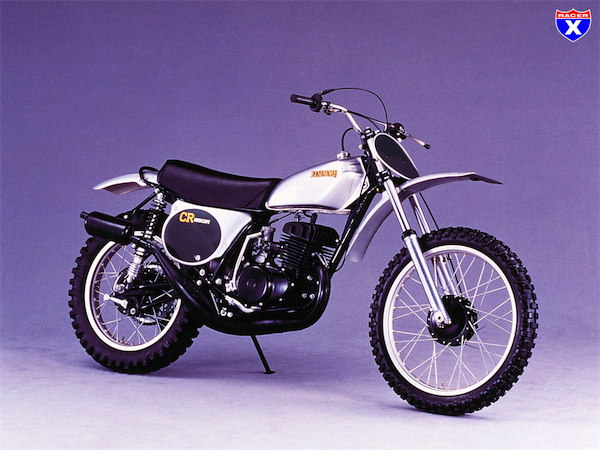
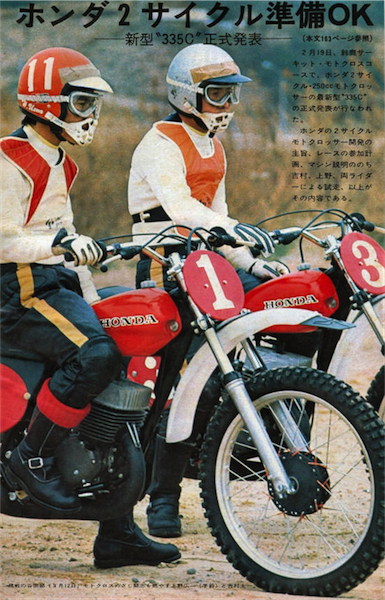
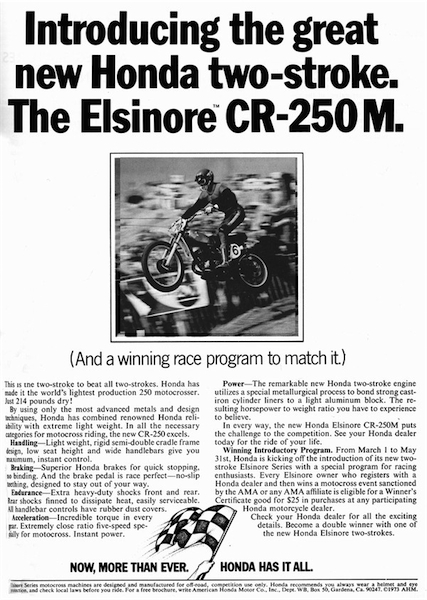
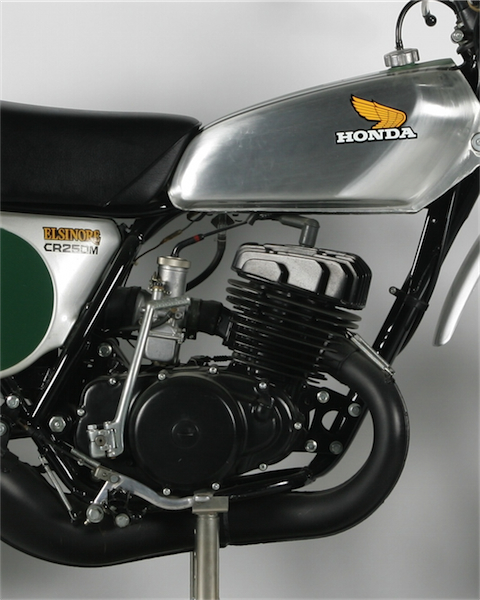
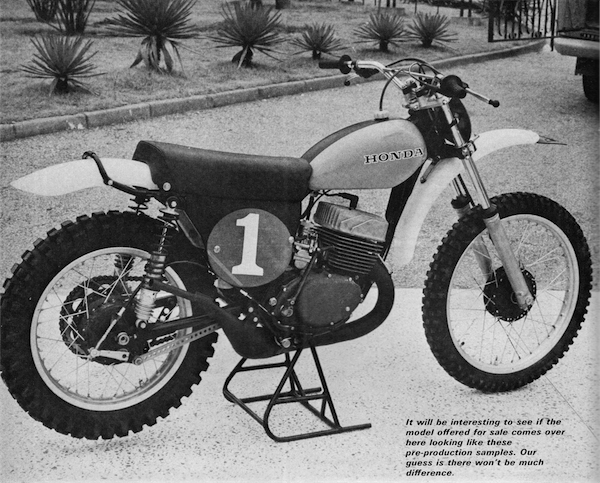
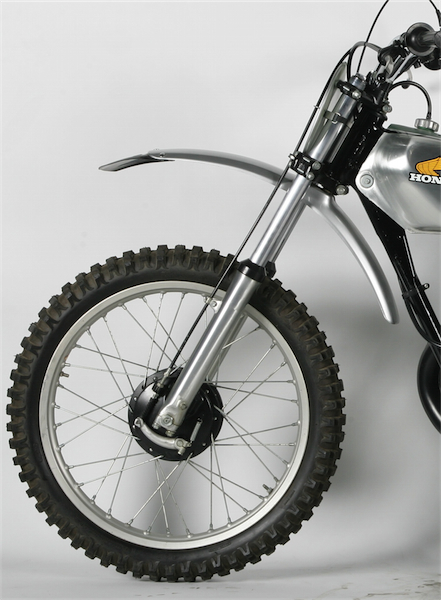
Amazingly, only a few months after the success of the RC250M in Japan, Honda would unveil its production version, the CR250M to the world. The production bike looked very similar to the works version, but lacked its lightweight components and Factory trickery. Even though the CR was not an exact works replica, it was by far the most race-ready production machine ever produced up to that time. Unlike the typical European and Japanese bikes of the day, the CR250M Elsinore (so named for the small Southern California town that hosted the Elsinore GP in the early seventies) could actually be ridden off the showroom floor and taken right to the track. No need to hack the frame, throw away the shocks or hog out the ports. It was fast, light, reliable and maybe most importantly, affordable. It was the right bike, at the right time, and it took off like a rocket in the showrooms.
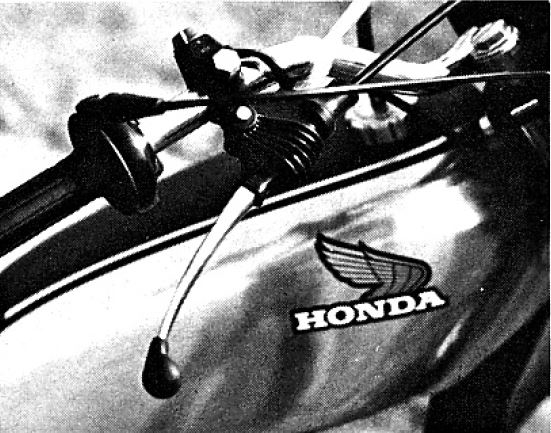
With the arrival of the Elsinore (a name the company actually considered using on the tank instead of Honda early on), Honda turned from a maker of scooters and “nice people” bikes, to a motocross power overnight. The Elsinore turned starting gates to a sea of green and silver and converted thousands of riders to buying Japanese. Although the CR was a massive success, its time in the spotlight was short lived. A mere six months after the arrival of the Elsinore, and new faster, lighter and more advanced (albeit much more expensive) machine arrived to steal the Honda’s thunder. The groundbreaking new Yamaha YZ250A would start a Japanese performance arms race that would see the Far East manufacturers dominate the sport by the end of the decade.
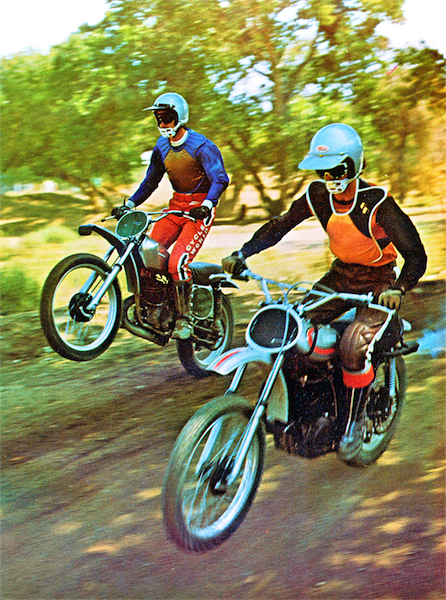
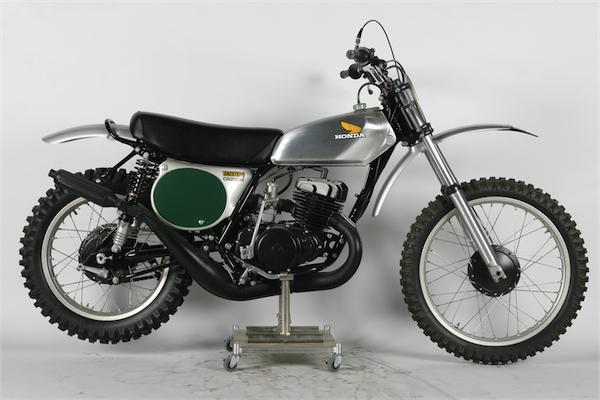
Even though its reign at the top of the sport was short, no one can deny the original Elsinore’s significance. It was the bike that made owning a Japanese machine cool and changed peoples expectations for quality and performance. It was the very definition of a game changer, and maybe most remarkably, nearly didn’t happen.
For your daily dose of old-school moto goodness, make sure to follow me on Twitter-@TonyBlazier
This story first ran in my Classic Steel column on PulpMX. Read the original at PulpMX.com.