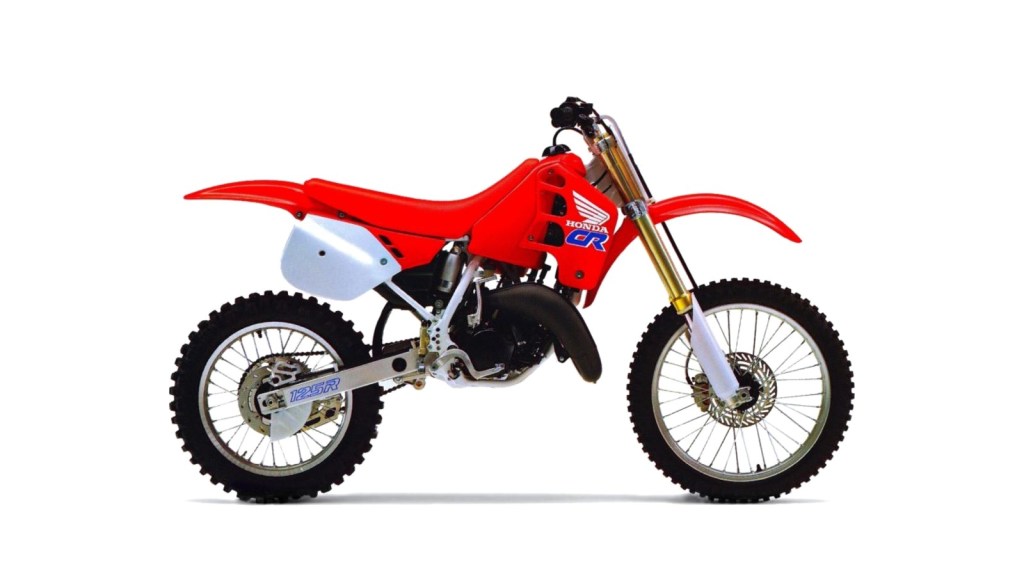
For this edition of Classic Steel, we are going to take a look back at one of my all-time favorite motorcycles, the 1990 Honda CR125R.
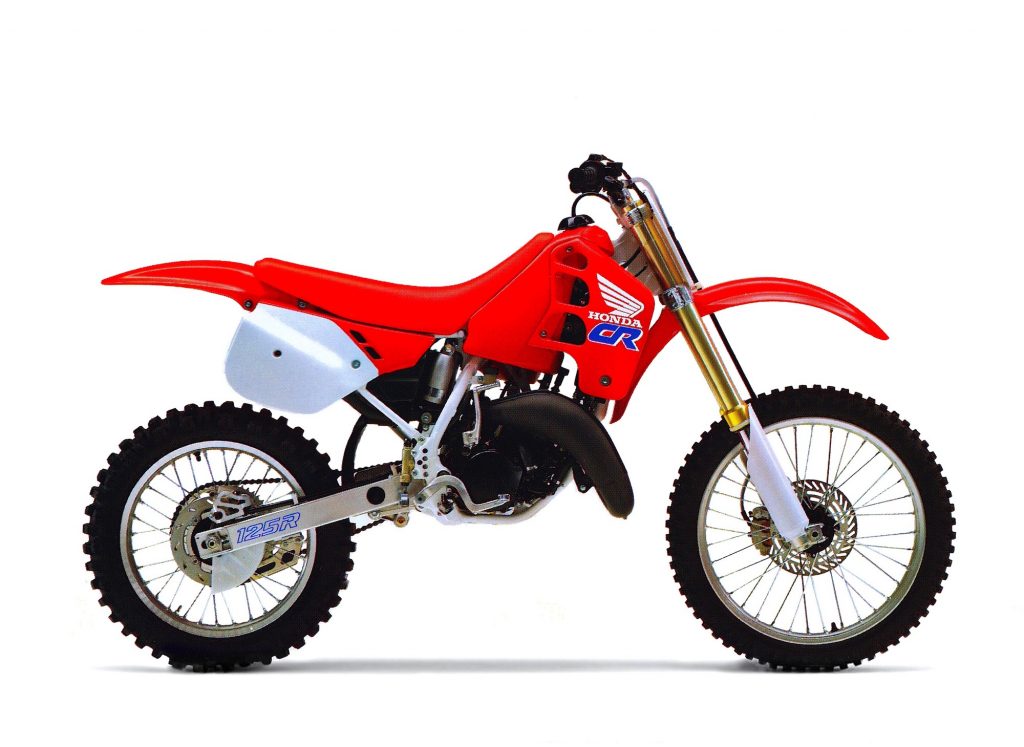
In 1990, Honda was on quite a roll in the 125 class. They had enjoyed a virtual stranglehold on the division since 1986. Some years, the other brands were able to top the CR in one category or another, but most of the time it was hard to beat the little Honda as the total package. Bikes like the ’87 CR125R were so good in fact, that many people still consider it one of Honda’s greatest bikes ever. After several years of dominance, the all-new 1990 Honda CR125R had big shoes to fill.
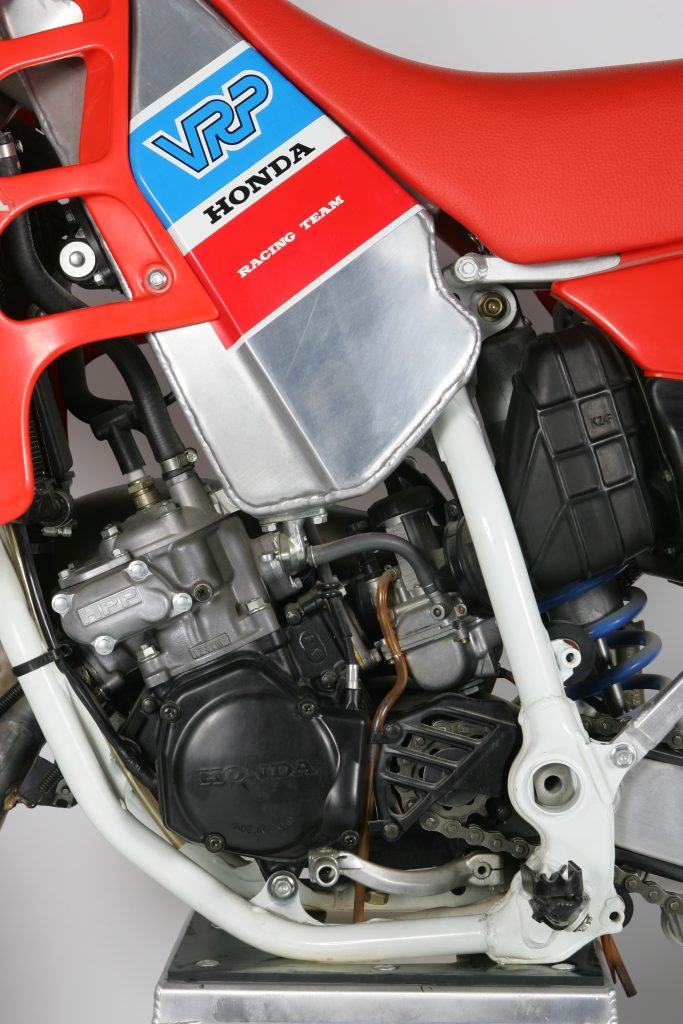
In 1989, Honda’s CR125R had been wicked fast but demanding to ride. Its pro-oriented motor made major power, but only at the upper end of the RPM range. There was virtually no bottom end and very little midrange for the rider to fall back on. For 1990, Honda looked to remedy this one shortcoming by bringing the CR250R’s Honda Power Port (HPP) system to the CR125R.
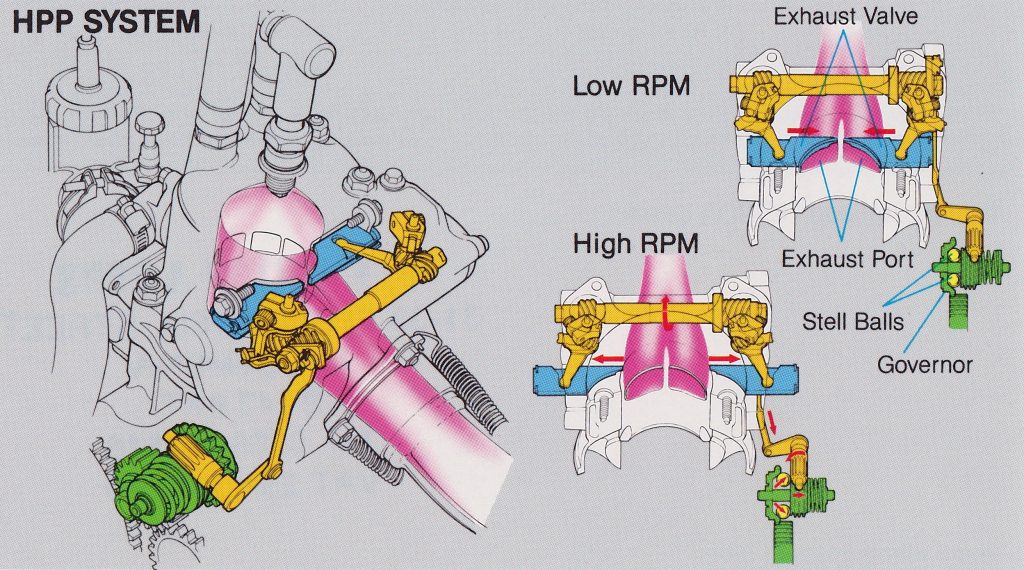
The 1990 CR125R was the first Honda 125 to feature a variable exhaust port for the motor. Prior to the HPP’s inclusion in 1990, the CR125R had relied on the simpler, but less effective ATAC system. The ATAC system (short for Automatic Torque Amplification Chamber) used a small subchamber at the front of the exhaust port to increase head pipe volume at low RPM’s. When RPM’s climbed past a pre-determined amount a butterfly valve would close, culling off the ATAC chamber and allowing exhaust gas to flow straight to the pipe. In theory, the system was like having a “torque” pipe and a “rev“ pipe all in one. In reality, the ATAC was never as good as more advanced systems like Kawasaki’s KIPS (Kawasaki Integrated Powervalve System) at producing a broad power curve.
The heart of the HPP system was a set of sliding valves placed at the top of the exhaust port. These guillotine valves varied the height of the exhaust port based on engine RPM. At low rpm, the valves were closed to provide the most efficiency. As the RPMs climbed, a centrifugal-ball governor engaged and slid the valves open for optimal flow. In use on the CR250R since 1986, the HPP was revered for its performance but reviled for its complexity. The valves and their associated springs, cams and pullies were quick to need servicing and tricky to adjust correctly.
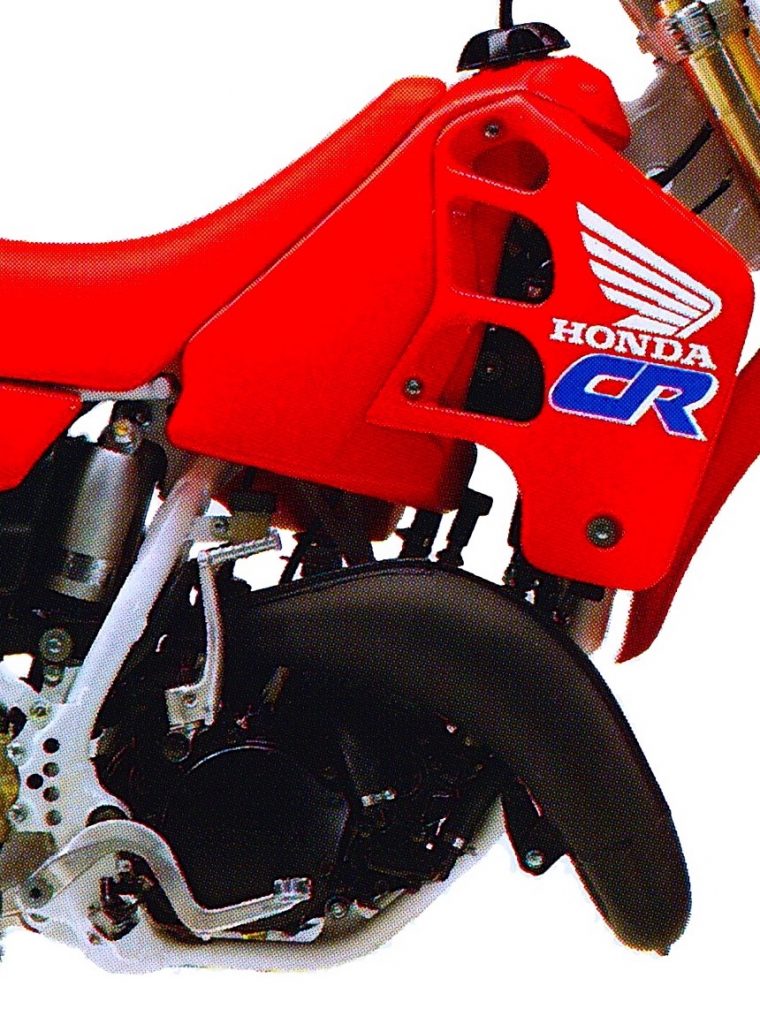
The new HPP motor turned out to be a huge success on the 1990 CR125R. The mill retained its screaking top end power while gaining a much needed mid-range boost. The HPP did not do a lot to boost the low-end torque, but even a small increase was welcome. With its smooth-shifting six-speed transmission and bulletproof clutch, it was a snap to keep the Honda humming. Just pin it, wait for the competition to fall behind and snap off another shift. Overall, it was still primarily a pro-oriented powerband, but now it was a somewhat friendly pro-oriented powerband.
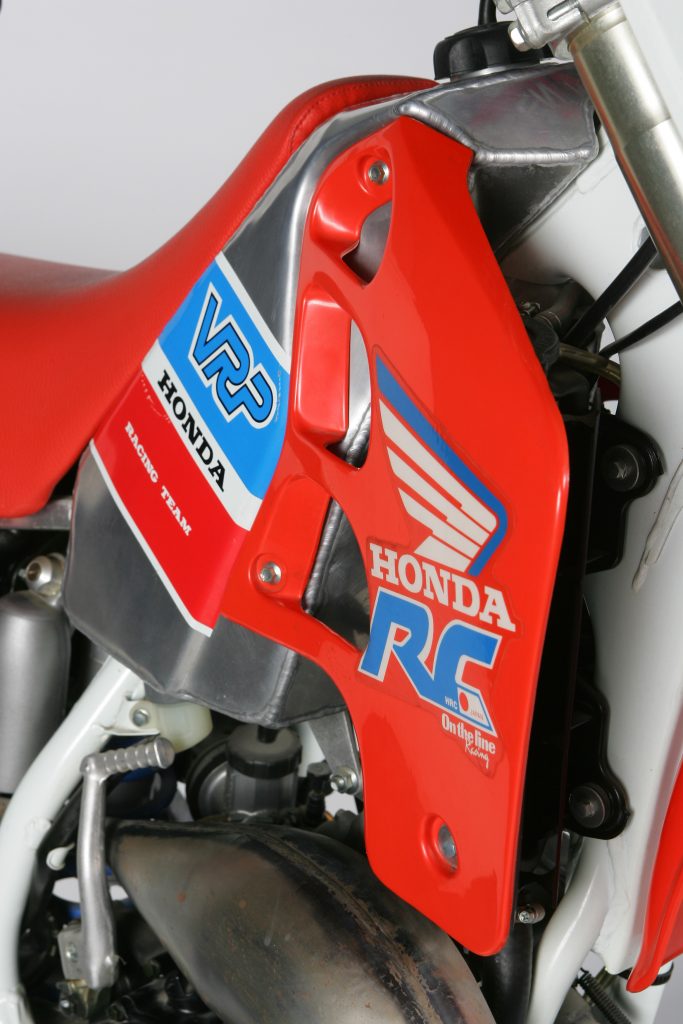
While the changes to the motor were a rousing success, the changes to the suspension for ’90 were less so. In 1989, Honda had dropped its excellent 43mm conventional forks in favor of Showa’s new upside-down forks on the CR250R and CR500R. Thankfully for 125 owners, however, the USD forks had been left off the CR125R.
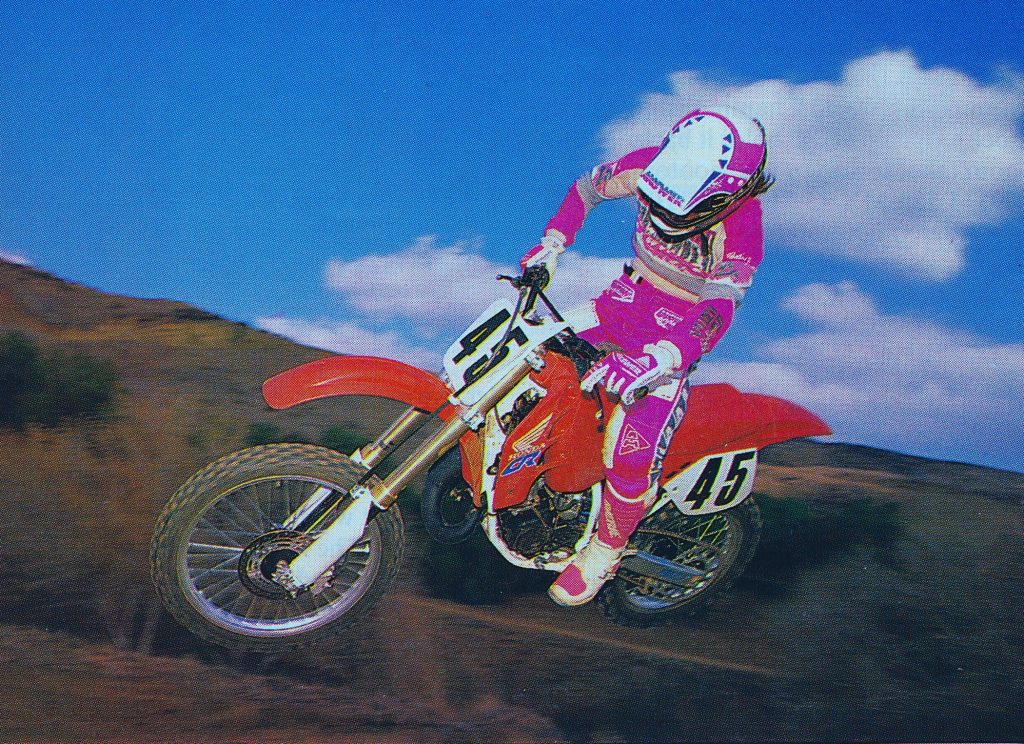
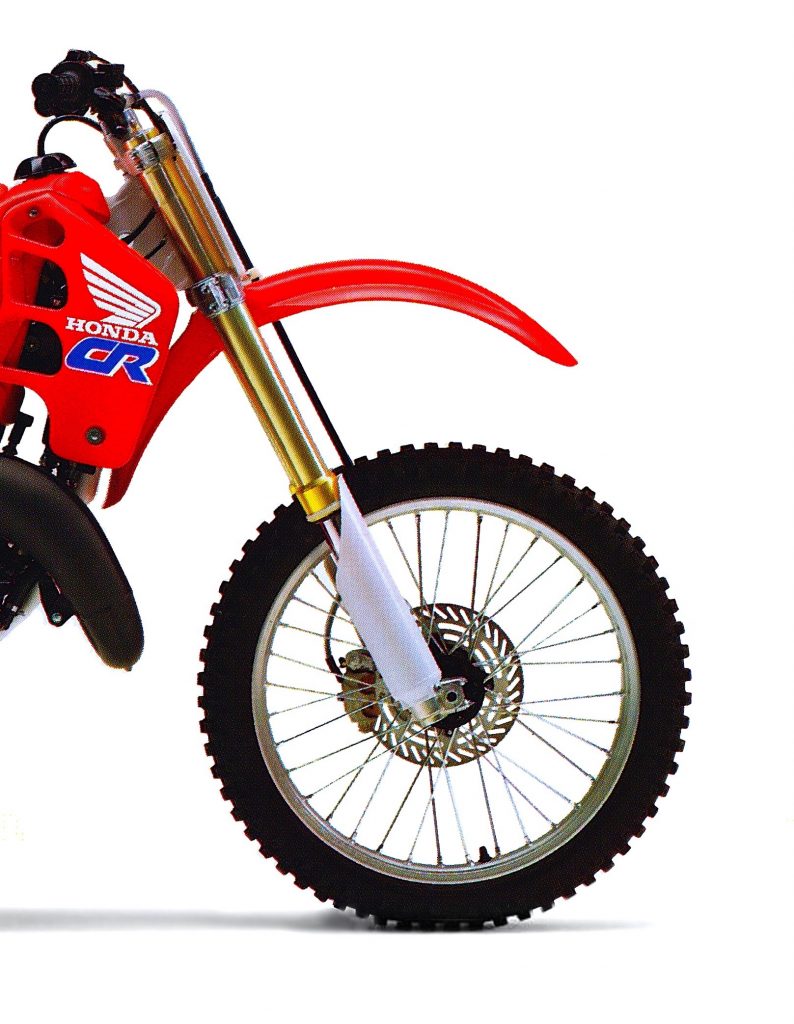
Unfortunately for 1990, the new 45mm Showa inverted forks made their way to the CR125R. On the track, they proved only marginally better than the dismal ’89 versions had been. In stock condition, they were undersprung and very harsh in action. There was a nasty spike in the mid-stroke that started out bad and got exponentially worse as the fork’s oil deteriorated.
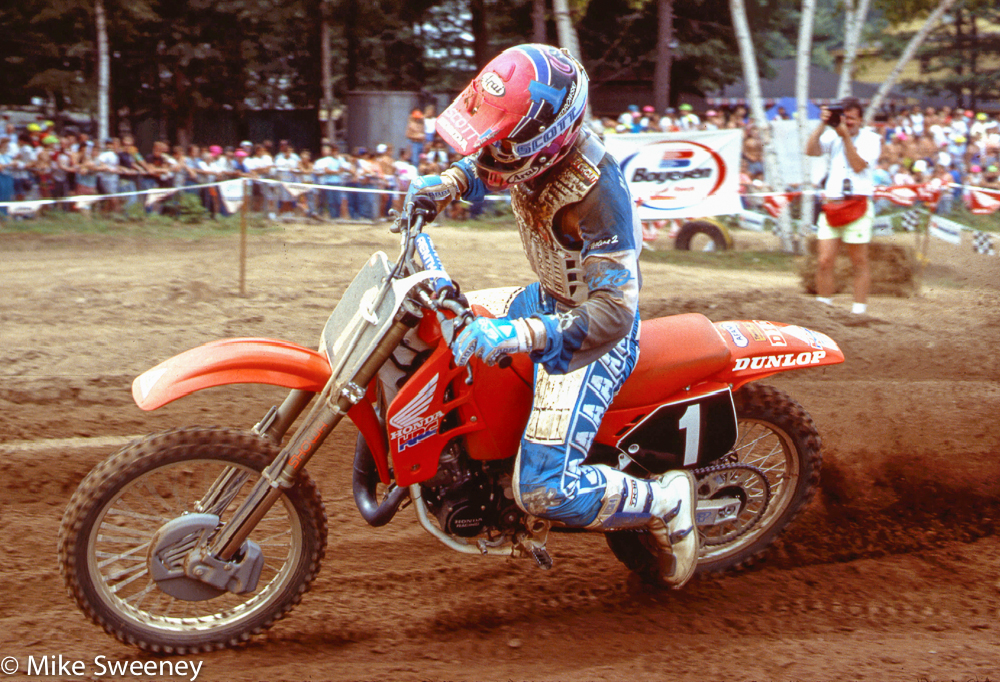
That deterioration did not take long either, as all these early Showa USD forks suffered terribly from particulate contamination. As the forks internals rubbed against each other, the inner tubes would shave off tiny pieces of aluminum into the oil, contaminating the fluid and interfering with the dampening. If you rode a lot, the contamination was so bad you literally had to change your fork oil once a week if you did not want to suffer a noticeable drop in performance.
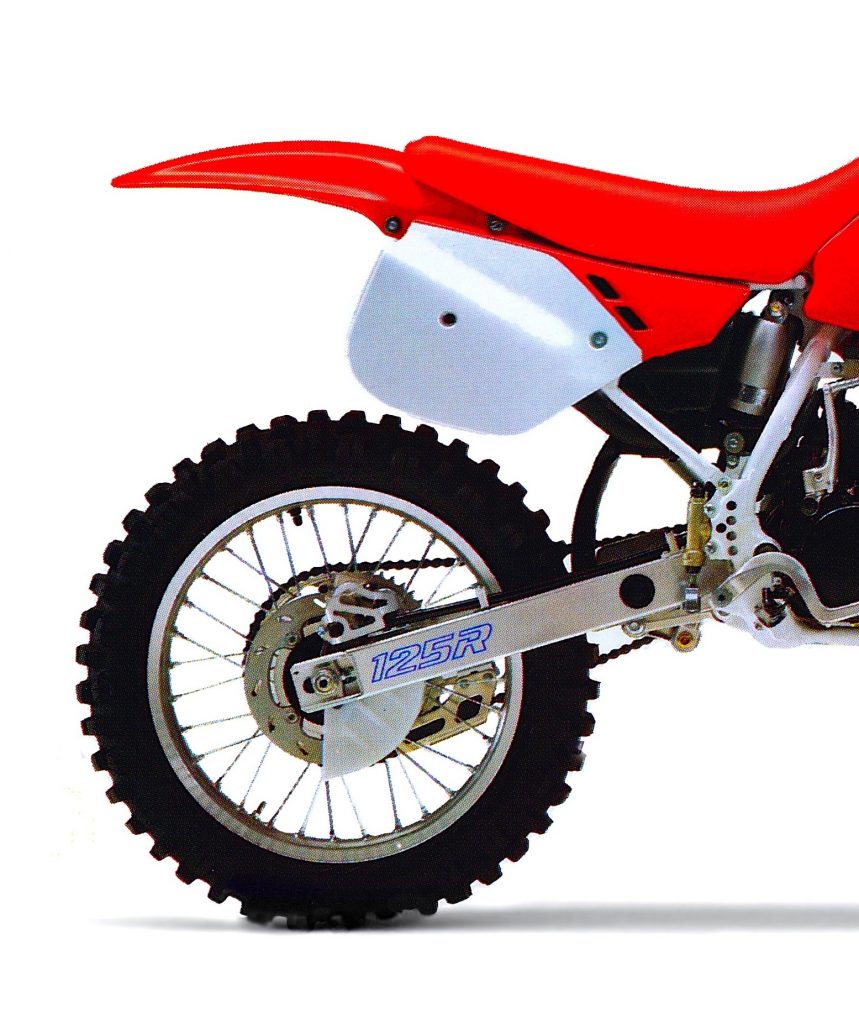
The Showa shock on the ’90 CR125R was no better than the atrocious forks. Much like the front end, the rear provided a harsh ride over any terrain. The damping was overly stiff and punished the rider when not ridden aggressively. It was unforgiving and choppy over braking and acceleration bumps, with a nasty habit of kicking sideways at inopportune moments. No amount of adjusting clickers could sort out the CR’s ride, and the only real option was to send it out for a re-valve. At least the shock’s oil would last more than a week between services.
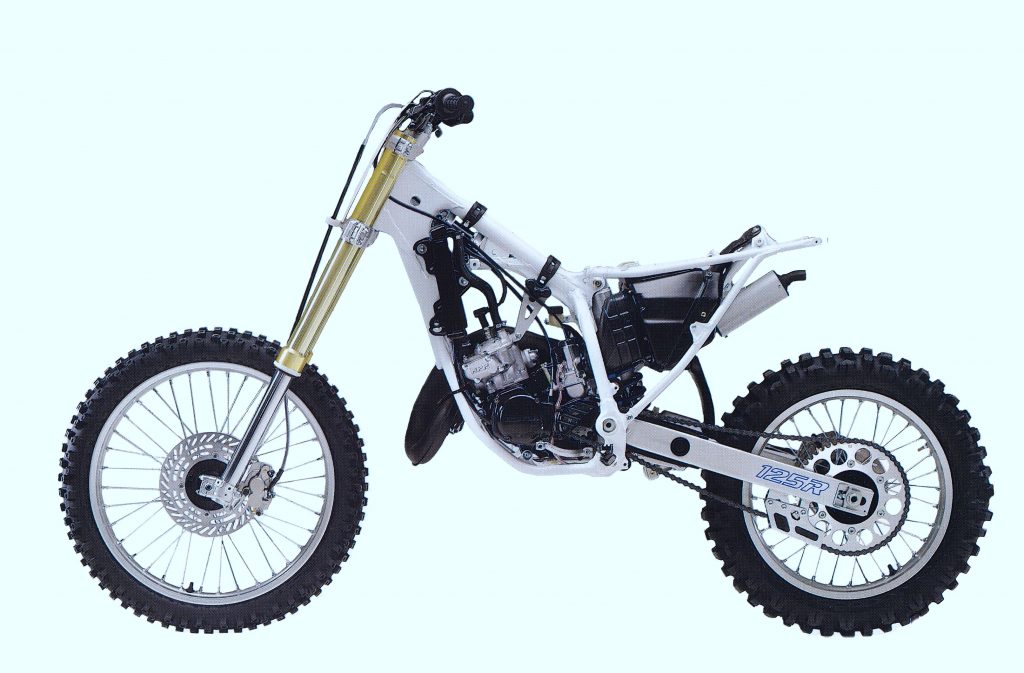
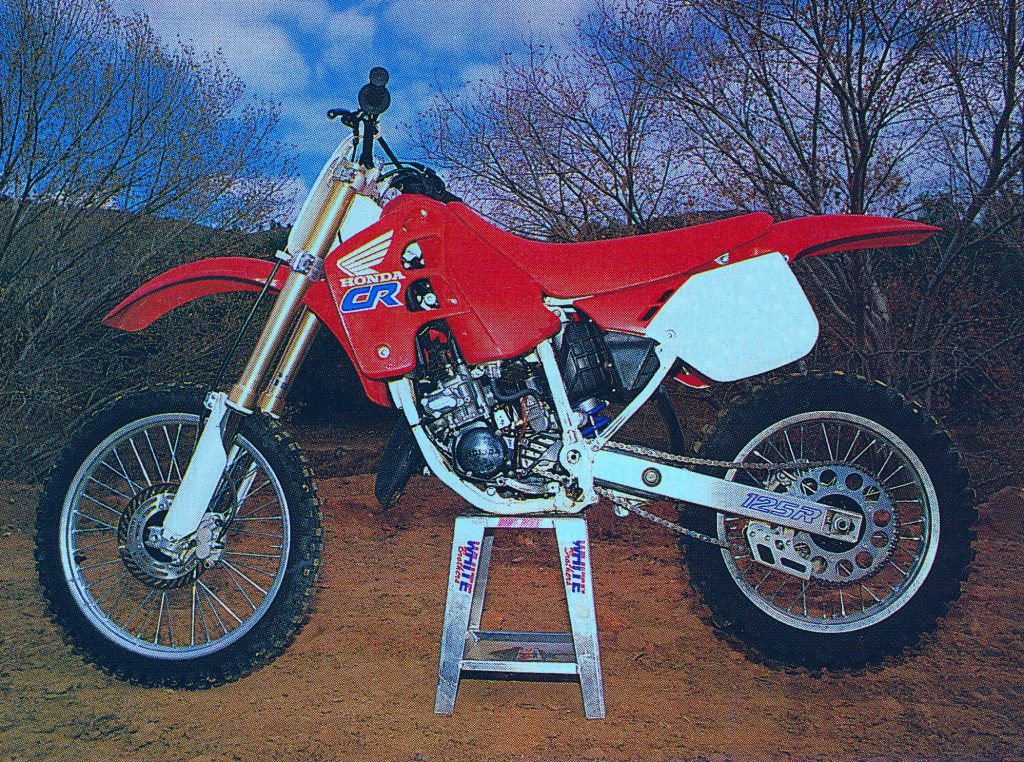
Amazingly, in spite of the CR’s terrible suspension, the bike was an excellent handler. Honda had made several changes to the chassis for ’90 to fine tune the handling and most of them worked. They added 7.5mm of trail to the head angle and stiffened the front end with a larger steering stem. That combined with a slightly relocated motor and ultra-ridged front forks gave the CR a pinpoint steering response. It could grab the inside and rail the outside with equal aplomb. Front wheel traction was excellent and the bike felt light and flickable in the air. Its only real handling weakness was its propensity for headshake. Once you got the suspension fixed (or at least improved from god-awful to semi-terrible) the bike was less busy than previous CR’s and at least rideable on fast tracks. Overall, the chassis package was excellent on tight tracks and a bit dicey faster ones.
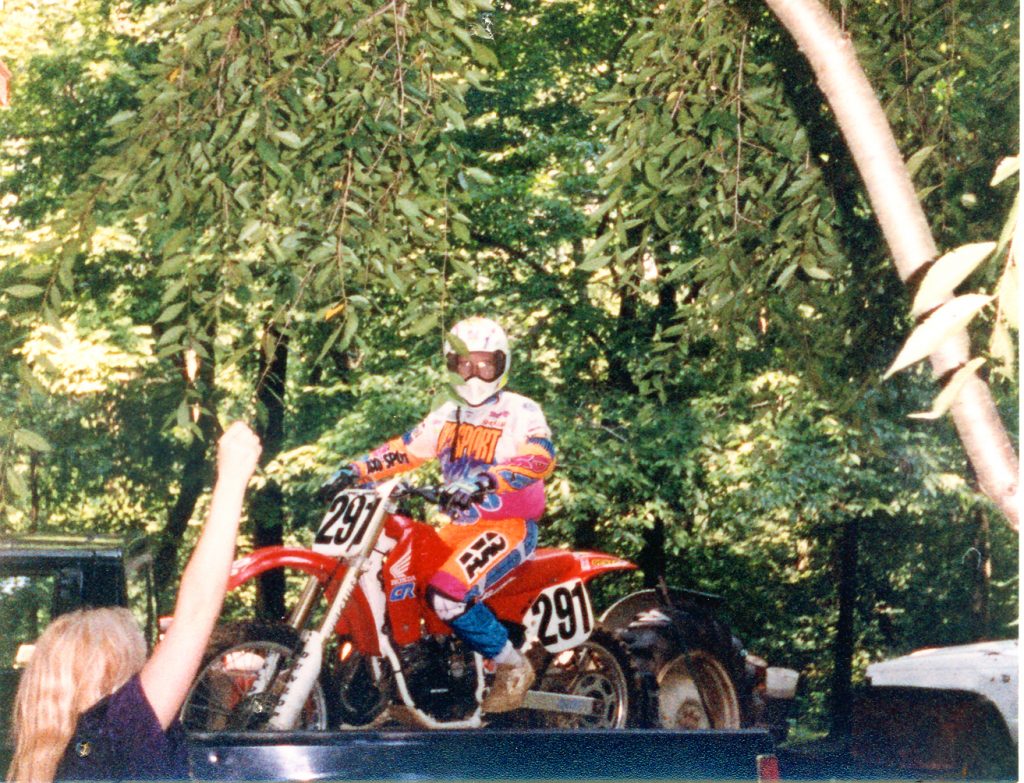
The detailing on the CR was typical Honda for the era. The brakes were powerful, with good feel and completely trouble free. The orange-red plastic (still my favorite Honda color) fit perfectly and was extremely durable. Best of all, the little CR was virtually indestructible. In the early nineties, both Kawasaki’s and Suzuki’s 125’s had some serious issues staying in one piece, but with the CR that was never a concern. As long as you cleaned the air filter regularly the Honda would run forever.
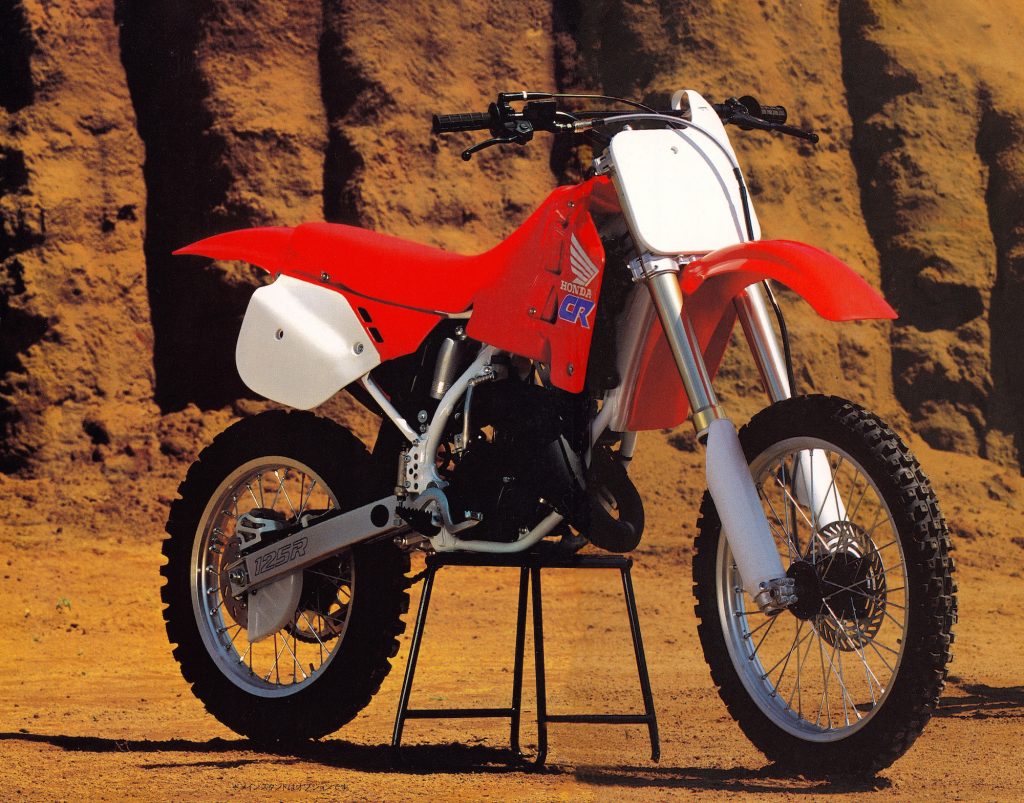
The 1990 CR125R would set the tone for Honda’s 125 offerings for the first half of the nineties. A blazing fast motor, in a sharp handling chassis, saddled with stone-age suspension. The rocket motor and unquestioned reliability were enough to get many a rider to overlook the terrible suspension. If these early nineties CRs had been blessed with the suspension off a Kawasaki, they would have been unbeatable. As it was, they were flawed, but brutally effective race machines. In the 125 class, power was everything and that was the one thing the CR125R had in spades.
This story first ran in my Classic Steel column on PulpMX. Read the original at PulpMX.com.